
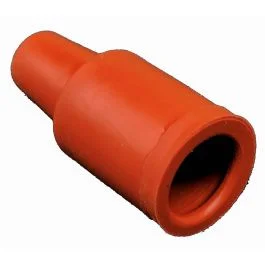
Description
Latin Name: Dasineura mali
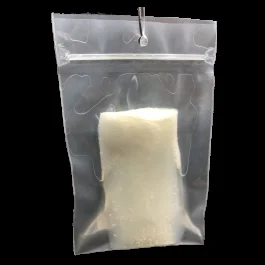
Lure: Red Rubber Septum.
Lure Active Ingredient: (8Z)-13-acetoxy-8-heptadecen-2-one
Field Life: 30 days
Trap to Use: Red Paper or Plastic Delta Trap
Monitoring Strategy: In smaller orchards, use one trap every 1 to 1 ½ acre. A minimum of two traps should also be used for fields of uneven topography. For larger fields (10 acres or greater) use 1-2 traps per five acres. Traps should be placed at approximately 0.5 m. Traps should be checked weekly or more frequently, depending on pest population. Check with Cooperative Extension or Master Gardener for local information and recommendations.
Cultural and Physical Control: Check for curled, dying leaves on trees, or fallen leaves before autumn, and inspect for maggots on developing leaves.
Distribution: Europe, North America, New Zealand, and wherever else apples are grown
Hosts: Apples and species of Malus
: Adults: Small (2-3 mm long), blackish-brown with clear wings.
Larvae: Yellow, sticky to the touch, becoming reddish-orange as they develop, and 1.5-2.5 mm in length at maturity.
Eggs: Brown, cigar shaped
Life Cycle: Overwinters as pupae in the soil under infested trees. First generation adults emerge in May, and after mating, the adult females deposit eggs on developing leaves. After larvae complete development inside tightly curled leaves, some may pupate in the rolled leaves but most drop to the ground to pupate in leaf litter or just below the soil surface. A total of 2-4 generations may occur a year.
Reviews
There are no reviews yet.