
Description
Latin Name: Enarmonia formosana
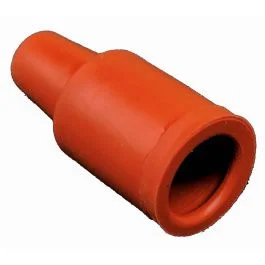
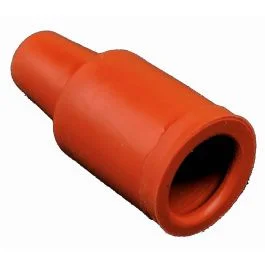
Lure: Red Rubber Septum
Lure Active Ingredient: E9-12Ac and Z9-12Ac
Field Life: 30 days
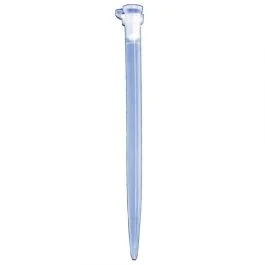
Trap to Use: Red Paper or Plastic Delta Trap
Monitoring Strategy: Hang traps in the branches of trees in orchards, about 1-1.5 m off the ground. If trapping for multiple moths, a distance of 20 m between each trap is recommended. Check with Cooperative Extension or Master Gardener for local information and recommendations.
Cultural and Physical Control: Check bark for signature reddish-orange frass accumulations, as well as for eggs laid near damage to the bark.
Distribution: Northern or Western Europe, likely introduced to Asia Minor and the United States
Hosts: Various, notably hawthorns, apples, cherries, apples, pears, apricot, plum, peach, beech and ash; prefers mature trees.
: Adult moth: With a wingspan of 15-19 mm. The forewing measures 15-17 mm and appears cryptically ornate with a dark brown to black-purplish sheen coloration. It also exhibits yellow-orange markings and several white patches along the leading edge of the forewings.
Larvae: Whitish gray to pinkish with darker gray pinacula and brown head. Measures approximately 8- 11 mm.
Eggs: Roughly 0.7 mm in diameter, slightly dome-shaped. Initially milky-white, turning salmon-pink with maturity.
Life Cycle: The adult moths fly from May to October in the temperate parts of the range. Eggs are laid singly or in small batches near areas of previous infestation 1-4 after emergence. Larvae feed on the bark of the host plants, producing reddish frass at the entrance to the tunnels, overwintering in mixed groups of instars. Upon maturity, larva pupate at the tunnel entrance, often enclosed by frass secured with silk.
Reviews
There are no reviews yet.